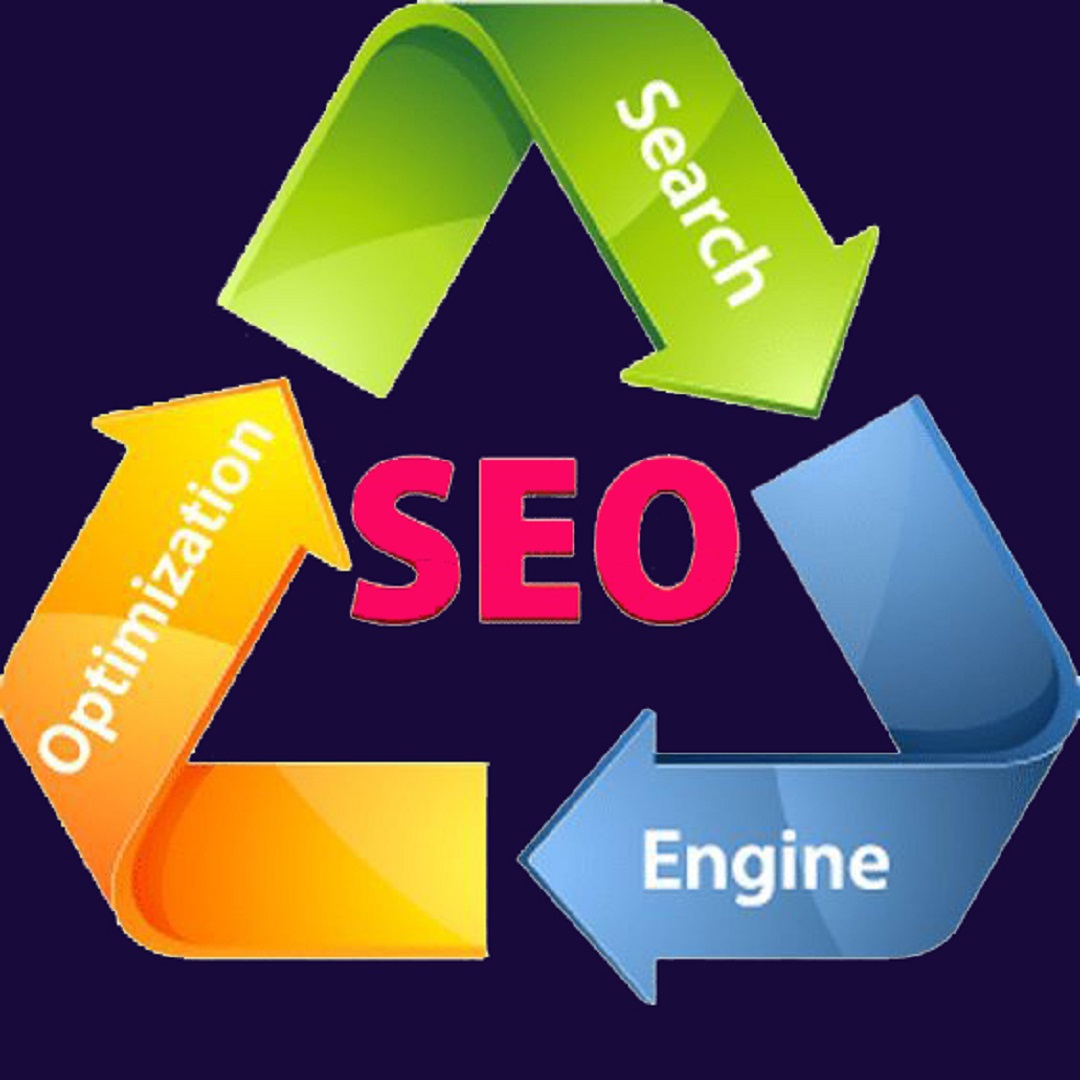
Search Engine Optimization (SEO) is crucial for a website for several reasons:
Increased Visibility: SEO helps improve a website's visibility on search engines like Google, Bing, and Yahoo. When your website ranks higher in search results, it's more likely to be seen by users searching for relevant information, products, or services.
Organic Traffic: SEO drives organic (non-paid) traffic to your website. This is valuable because organic traffic tends to be more targeted and valuable, as it comes from users actively looking for what you offer.
Credibility and Trust: Websites that appear at the top of search results are often perceived as more credible and trustworthy by users. SEO can help establish your website as an authoritative source in your industry or niche.
Improved User Experience: SEO involves optimizing the structure and content of your website, making it more user-friendly. This can result in a better overall user experience, which can lead to higher engagement, longer time spent on your site, and lower bounce rates.
Cost-Effective Marketing: Compared to paid advertising, SEO can be a cost-effective long-term strategy. Once your website ranks well for relevant keywords, you can continue to attract traffic without ongoing advertising expenses.
Competitive Advantage: Many of your competitors are likely investing in SEO. By staying competitive or outperforming them in search engine rankings, you can gain an edge in your industry or market.
Targeted Traffic: SEO allows you to target specific keywords and demographics, ensuring that you reach the right audience. This helps in converting visitors into customers or leads more effectively.
Measurable Results: SEO efforts can be tracked and analyzed using various tools and metrics. This allows you to measure the effectiveness of your strategies and make data-driven improvements over time.
Global Reach: If your business or website caters to a global audience, SEO can help you reach a wider geographic area and expand your market reach.
Adaptation to Mobile and Voice Search: With the increasing use of mobile devices and voice-activated search, SEO helps ensure that your website is optimized for these platforms, enhancing your chances of being found by users on smartphones and voice-activated devices.
Long-Term Sustainability: Unlike some short-term marketing tactics, SEO can provide sustainable results.
#webseries#wordpress#seo#wordpreesseo#facebookadsexpert#seoexpert#seoservices#webdesign#wordpressseo#facebookadsexpert#googleadsexpert#websiteSEO #SEOexpert 👇 #happyakther#happyakther1
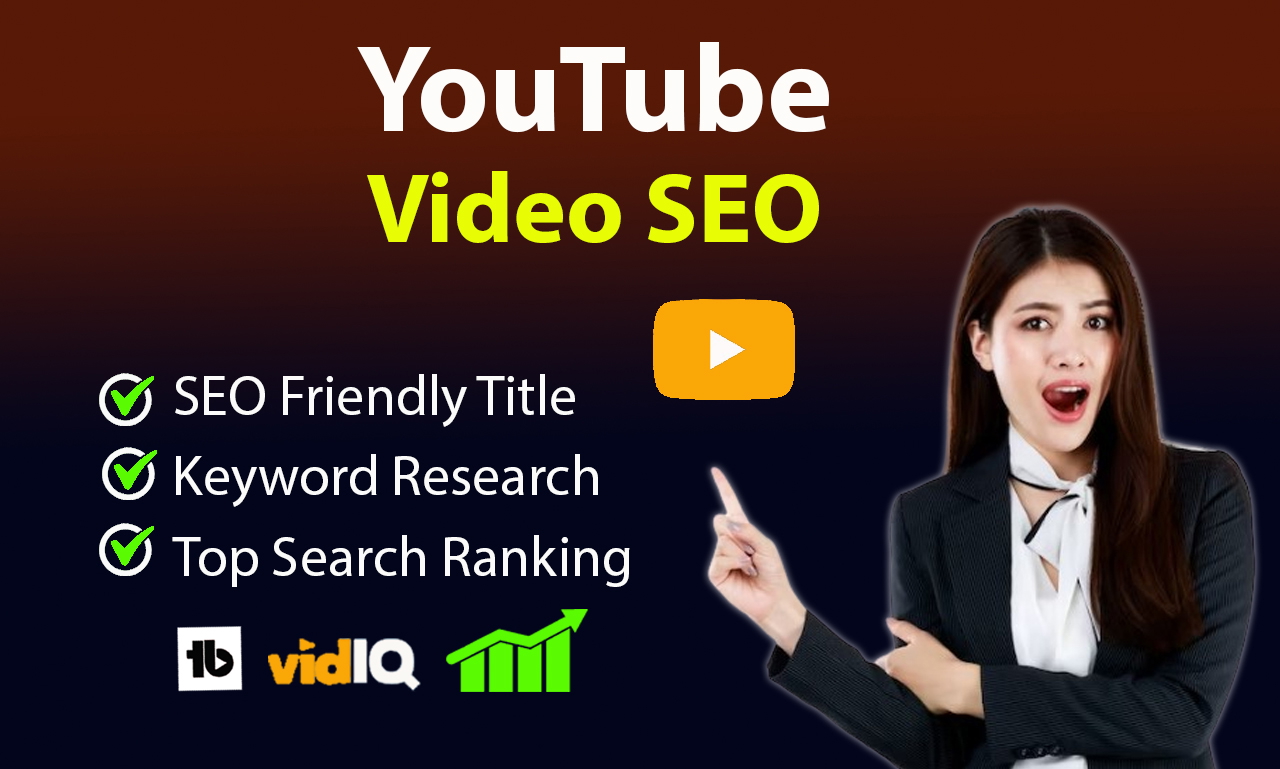
How you can benefit from YouTube channel optimization and video SEO?
Optimizing your YouTube channel and implementing video SEO (Search Engine Optimization) practices can have numerous benefits for your channel's growth, visibility, and engagement. Here's how you can benefit from YouTube channel optimization and video SEO:
Increased Visibility and Reach: Effective optimization and SEO techniques can help your videos rank higher in YouTube's search results and related video suggestions. This means that more people will discover your content, leading to increased views and potential subscribers.
Higher Click-Through Rates (CTR): When you optimize your video titles, thumbnails, and descriptions to accurately reflect your content and attract viewers' attention, you're more likely to achieve higher click-through rates. Compelling thumbnails and titles can encourage users to click on your videos over others.
Better Search Rankings: Implementing relevant keywords in your video titles, descriptions, and tags can improve your videos' chances of ranking well in both YouTube's search results and Google's search engine results pages (SERPs), driving organic traffic to your channel.
Improved Viewer Engagement: Optimizing your videos for viewer engagement, such as by encouraging likes, comments, and shares, can signal to YouTube's algorithm that your content is valuable and relevant. This can result in your videos being promoted more prominently on the platform.
Long-Term Traffic and Discoverability: Unlike some social media platforms where content disappears quickly, YouTube videos can continue to attract views and engagement over the long term. Optimizing your videos means they have a better chance of being discovered months or even years after their initial upload.
Higher Monetization Potential: If your goal is to monetize your YouTube channel, optimization and SEO practices can help you achieve the required watch time and subscriber thresholds faster. This, in turn, can lead to increased revenue through ads, channel memberships, merchandise shelf, etc.
Audience Retention and Watch Time: High-quality content that keeps viewers engaged can lead to longer watch times,
#channelgrowth #youtubeseo #channelgrowth #youtubemarketing #manager #youtubechannel #seoexpert #youtubepromotion #video #seoservices #videomarketingtips #marketing #videoproduction #seo #youtubers #seo #manager #seo #seospecialist #expert #ranking #youtubeseo #videoeditingservice #seostrategy #serviceprovider #video #seo #youtube #videooptimization #seospecialist
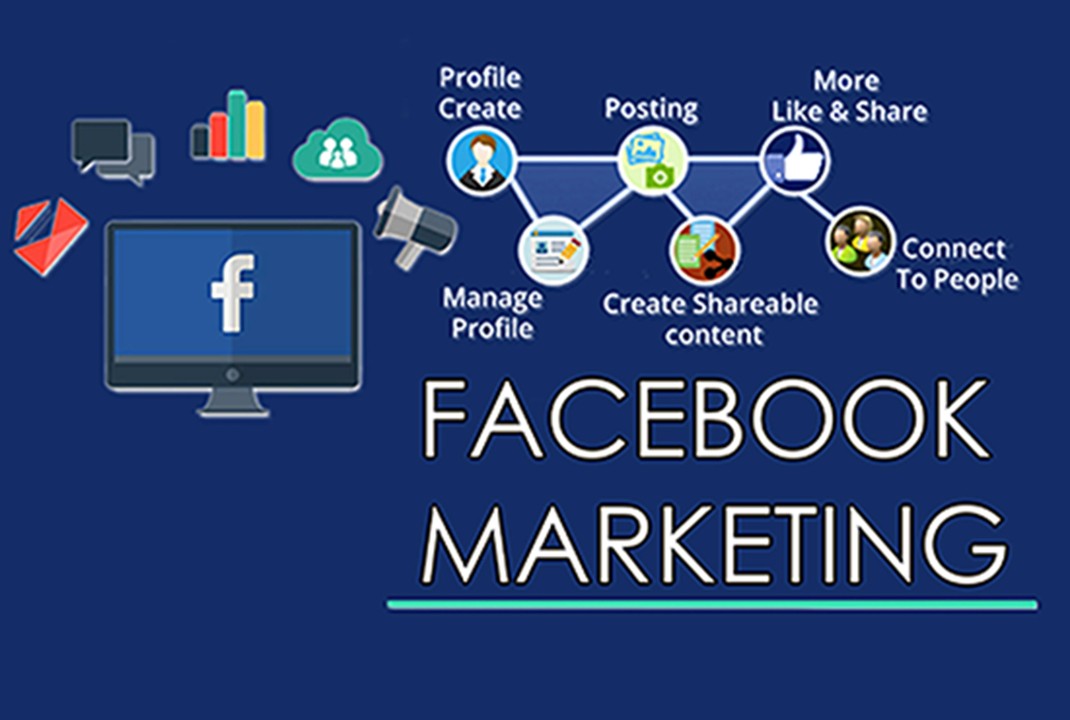
Facebook Ads: Businesses can create and run paid advertising campaigns on Facebook. These ads can appear in users' News Feeds, in the right-hand column of the desktop version, or on Instagram (which is owned by Facebook). Advertisers can choose from various ad formats, including image ads, video ads, carousel ads, and more.
Audience Targeting: Facebook provides powerful tools for audience segmentation and targeting. Advertisers can specify demographics, interests, behaviors, and other criteria to reach a highly specific audience. This helps in delivering ads to people who are more likely to be interested in the product or service being promoted.
Budget and Bidding: Advertisers can set a budget for their campaigns and choose a bidding strategy. They can opt for daily or lifetime budgets and select bidding options such as cost per click (CPC), cost per mille (CPM), or cost per conversion (CPC).
Ad Campaign Objectives: Facebook offers various campaign objectives, including website traffic, lead generation, video views, app installs, and more. Advertisers can select the objective that aligns with their marketing goals.
Ad Creatives: Crafting compelling ad creatives is crucial for Facebook marketing success. This includes attention-grabbing images or videos, persuasive ad copy, and a clear call to action (CTA) that tells users what to do next.
Ad Placement: Advertisers can choose where their ads will be displayed. Options include Facebook feeds, Instagram, Audience Network (which extends ads to third-party apps and websites), and Messenger.
Analytics and Insights: Facebook provides detailed analytics and insights on ad performance. Advertisers can track metrics such as clicks, impressions, conversions, and return on ad spend (ROAS) to evaluate the effectiveness of their campaigns.
Organic Content: In addition to paid advertising, businesses can also create and share organic content on their Facebook Pages. This content can include text posts, images, videos, and links to blogs or articles. Building an engaged organic audience can complement paid advertising efforts.
Community Engagement: Engaging with the Facebook community is essential for building a brand presence. Responding to comments, messages, and reviews helps foster positive relationships with customers.
Remarketing: Facebook allows businesses to retarget users who have previously interacted with their website or app. This can be an effective way to re-engage potential customers.

Improved Search Engine Crawling: Search engines like Google, Bing, and Yahoo use web crawlers to index the content of websites. XML sitemaps provide a structured way to inform these search engines about the pages on your site, ensuring that all important pages are discovered and indexed. This is particularly useful for new websites, large websites, or sites with complex navigation.
Better Indexing: XML sitemaps allow you to specify additional information about each page, such as when it was last updated and how often it changes. This helps search engines prioritize their crawling efforts, ensuring that frequently updated or important pages are crawled more often.
Deeper Crawling: Without a sitemap, search engines might only discover and index your site's top-level pages. XML sitemaps can include links to deeper, less accessible pages, such as those behind a login, in JavaScript-generated content, or in sitemaps for images or videos.
Enhanced SEO: Properly optimizing your XML sitemap can contribute to better SEO. For instance, you can include metadata like the priority of each page or the frequency of updates, which can help search engines understand the relative importance of your pages. This can lead to better rankings for your most crucial content.
Identification of Errors: XML sitemaps can highlight issues with your website, such as broken links, duplicate content, or missing pages. By regularly checking your sitemap, you can identify and address these issues more easily, improving the overall user experience and SEO.
Internationalization and Multilingual Support: If your website has content in multiple languages or targets different regions, you can include language and region tags in your XML sitemap. This helps search engines understand which version of your content to display to users based on their location and language preferences.
Mobile and Video Sitemaps: In addition to regular web pages, XML sitemaps can be used to provide information about mobile content and videos on your site, making it easier for search engines to index and display these types of content in relevant search results.
Easier Monitoring: XML sitemaps can provide valuable data on how frequently search engines crawl your site and which pages are most popular. This information can help you fine-tune your SEO strategy.
In summary, an XML sitemap is a crucial tool for ensuring that your website is properly indexed by search engines, optimizing your SEO efforts, and providing a better experience for users. It's an essential part of any website's technical SEO strategy.
Using Facebook Ads can be an effective way to improve your business by reaching a targeted audience, increasing brand awareness, driving website traffic, and ultimately boosting sales. Here's a step-by-step guide on how to use Facebook Ads to improve your business:
Set Clear Goals:
Define specific, measurable, and achievable objectives for your Facebook Ads campaign. Common goals include increasing website traffic, generating leads, growing your email list, or boosting sales.
Identify Your Target Audience:
Use Facebook's extensive targeting options to define your ideal audience based on demographics, interests, behaviors, and location. Narrow down your audience to ensure your ads reach the right people.
Create Compelling Ad Content:
Craft engaging ad content that resonates with your target audience. Use eye-catching visuals, concise copy, and a clear call to action (CTA). Consider A/B testing different ad creatives to see which ones perform best.
Choose the Right Ad Format:
Facebook offers various ad formats, including image ads, video ads, carousel ads, and more. Select the format that best suits your campaign goals and the preferences of your target audience.
Set a Budget:
Determine your ad budget, taking into account your business's financial resources and campaign objectives. Facebook allows you to set daily or lifetime budgets, and you can adjust them as needed.
Schedule Your Ads:
Decide when your ads should run. Consider your audience's online behavior and time zone differences. Facebook allows you to schedule ads to reach your audience at the most relevant times.
Optimize Landing Pages:
Ensure that the landing pages your ads lead to are optimized for conversions. They should have a clear message, match the ad content, and have user-friendly design and navigation.
Monitor and Analyze:
Regularly monitor your ad campaign's performance using Facebook Ads Manager. Track metrics like click-through rates (CTR), conversion rates, and return on ad spend (ROAS). Use this data to make informed adjustments.
A/B Testing:
Continuously experiment with different ad variations to identify what works best for your audience. Test different headlines, images, ad copy, and CTA buttons to optimize your campaign.
Retargeting:
Implement retargeting campaigns to re-engage users who have previously visited your website or interacted with your ads. These campaigns can help convert potential customers into paying ones.
Google Ads, formerly known as Google AdWords, is a powerful advertising platform that can help improve your business by driving targeted traffic to your website, increasing brand visibility, and generating leads or sales. Here's a step-by-step guide on how to use Google Ads to enhance your business:
Set Clear Goals:
Define specific and measurable objectives for your Google Ads campaign. Common goals include increasing website traffic, generating leads, boosting sales, or raising brand awareness.
Keyword Research:
Conduct thorough keyword research to identify relevant keywords and phrases that potential customers might use when searching for products or services related to your business. Google's Keyword Planner is a helpful tool for this.
Create High-Quality Ad Copy:
Craft compelling ad copy that includes relevant keywords and communicates your unique selling points. Write clear and concise headlines, descriptions, and call-to-action (CTA) text.
Choose the Right Ad Campaign Type:
Google Ads offers various campaign types, including Search, Display, Video, Shopping, and more. Select the campaign type that aligns with your goals and target audience.
Set a Budget:
Determine your daily or monthly ad budget. Google Ads allows you to set spending limits to ensure you stay within your financial constraints.
Targeting Options:
Use Google Ads' targeting options to reach your desired audience. You can target by location, demographics, interests, and more. Refine your targeting to reach the most relevant users.
Create Relevant Landing Pages:
Ensure that the landing pages your ads direct users to are relevant to the ad content and offer a user-friendly experience. Optimize landing pages for conversions and load times.
Implement Conversion Tracking:
Set up conversion tracking to measure the success of your campaigns accurately. This allows you to see which keywords and ads are driving conversions and adjust your strategy accordingly.
Optimize Ad Extensions:
Utilize ad extensions like sitelink extensions, callout extensions, and structured snippets to enhance your ad's visibility and provide additional information to potential customers.
Monitor and Analyze:
Regularly review your campaign performance in Google Ads. Pay attention to metrics such as click-through rate (CTR), conversion rate, return on investment (ROI), and quality score.
A/B Testing:
Experiment with different ad variations to identify what resonates best with your audience. Test different headlines, ad copy, keywords, and bidding strategies to optimize your campaigns.
Use Negative Keywords:
Add negative keywords to your campaigns to prevent your ads from showing for irrelevant search queries. This helps improve ad relevancy and reduce wasted ad spend.
Mobile Optimization:
Ensure that your ads and landing pages are optimized for mobile devices since a significant portion of Google searches happens on mobile phones.
Remarketing:
Implement remarketing campaigns to re-engage users who have previously visited your website but did not convert. These campaigns can be highly effective in driving conversions.
Seek Professional Help:
If you find Google Ads complex or overwhelming, consider hiring a certified Google Ads expert or agency to manage your campaigns effectively.
Stay Informed:
Stay updated with Google Ads' latest features, best practices, and policy changes to keep your campaigns competitive and complia

5.00 (1300+ Review) on Fiverr

5.00 (700+ Review) on Upwork

Copyright by Dorik